Our team of board-registered specialist orthodontists are available to assess and treat children of all ages, providing personalised orthodontic care based on each child’s stage of growth and development.
We recommend all children have an orthodontic assessment with a registered specialist orthodontist around the age of 9 or 10, when the first adult teeth have usually erupted and developmental concerns can be identified. However, some children may benefit from an earlier assessment, particularly if there are concerns relating to jaw growth, dental development, breathing, or oral habits.
Early assessment allows our orthodontists to monitor your child’s development and determine whether early intervention may be beneficial or whether it is best to simply monitor growth until the appropriate stage for treatment.
What Is Involved in Orthodontic Treatment for Children?
Orthodontic treatment is different for every child and depends on their individual dental development, jaw growth, bite, and functional needs.
In younger children, orthodontic treatment is often focused on addressing developmental and functional concerns, including:
- Cross-bites
- Severe dental overcrowding
- Jaw growth imbalances
- Tooth eruption problems
- Thumb sucking and oral habits
- Mouth breathing and snoring
- Sleep-disordered breathing concerns
A proactive approach during childhood can allow our specialist orthodontists to guide jaw and dental development while the child is still growing. This may help simplify future orthodontic treatment and, in some cases, reduce the need for more complex interventions later in life.
Early Intervention Orthodontics: Why Timing Matters
The Australian Society of Orthodontists recommends children have an orthodontic assessment by a registered specialist orthodontist around six or seven years of age, when the first adult teeth begin to appear and early developmental concerns may become evident.
Early intervention does not always mean treatment will begin immediately. In many cases, the purpose of an early assessment is to identify potential issues, monitor growth, and determine the most appropriate timing for treatment.
Because certain types of jaw growth modification are most effective while children are still developing, an assessment during childhood can provide valuable insight into whether early orthodontic treatment may benefit your child.
Supporting Healthy Growth and Development
Assessing and Managing Dental Crowding
Dental crowding occurs when there is insufficient space for permanent teeth to develop and align correctly. Early assessment allows our orthodontists to identify developing concerns and intervene at the appropriate stage of growth.
For younger children, removable orthodontic appliances may be used to expand dental arches, maintain space, or guide developing teeth into healthier positions.
For children aged approximately six to ten years, rapid maxillary expansion (RME) may be recommended in suitable cases. RME gently widens the upper jaw (palate) while facial bones are still developing, creating additional space for crowded teeth and supporting improved dental alignment.
In some cases, expansion may also support improved nasal breathing and reduce contributing factors associated with snoring and sleep-disordered breathing.
Jaw Growth, Breathing and Sleep Considerations
The relationship between jaw development, breathing, and sleep is an important consideration in children’s orthodontic care.
Some children experience growth imbalances between the upper and lower jaws, which may affect their bite, facial development, oral function, and breathing patterns. Signs such as habitual mouth breathing, snoring, or disrupted sleep may indicate that further assessment is required.
At The Tooth Fairy Centre, we take a collaborative approach to complex cases. Where appropriate, our orthodontists work alongside other dental and medical professionals to assess contributing factors and develop a coordinated care plan.
If your child snores, regularly breathes through their mouth, or experiences restless sleep, these concerns are worth discussing during an orthodontic assessment.
A Non-Extraction Approach Where Possible
Wherever possible, we aim to take a predominantly non-extraction approach to orthodontic treatment.
Early intervention, while a child is still growing, can provide opportunities to guide jaw development, create space naturally, and support healthy dental alignment.
However, tooth removal is not always avoidable or inappropriate. In some cases of significant overcrowding, removing one or more teeth may be the most predictable way to achieve a stable, functional, and healthy result.
Our specialist orthodontists will assess your child’s individual circumstances and discuss all available treatment options before recommending a personalised plan.
Space Maintenance for Developing Teeth and Jaw
When a primary tooth is lost prematurely, often due to decay, neighbouring teeth can move into the space and reduce the room available for permanent teeth to erupt correctly.
Our specialist paediatric dentists and orthodontists can assess whether a space-maintaining device may be appropriate. Depending on your child’s needs, space maintainers can be fixed or removable and help preserve the space required for healthy tooth development.
Orthodontic Treatment Options for Children
Assessing and Managing Dental Crowding
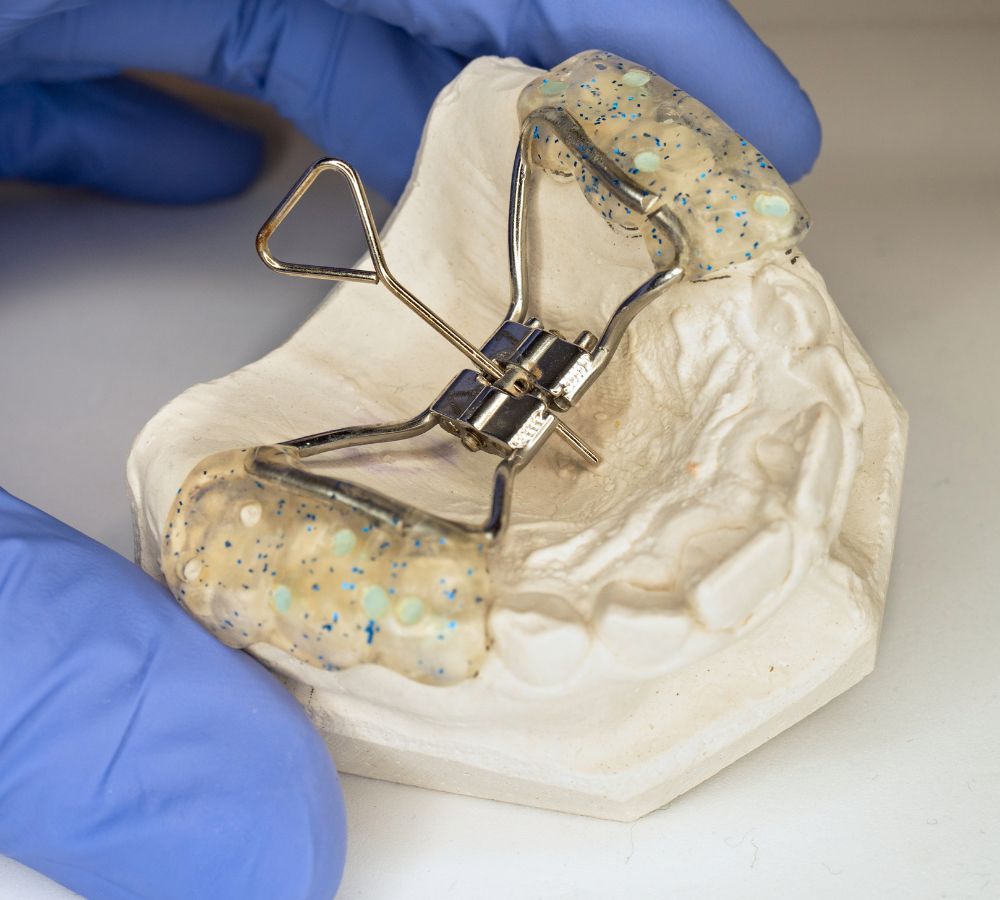
For children with dental crowding or developing alignment concerns, removable orthodontic appliances may be used from around six to eight years of age to expand dental arches or maintain space for developing teeth.
Early treatment may later be followed by fixed braces once all permanent teeth have erupted to complete alignment.
Conventional and Clear Braces
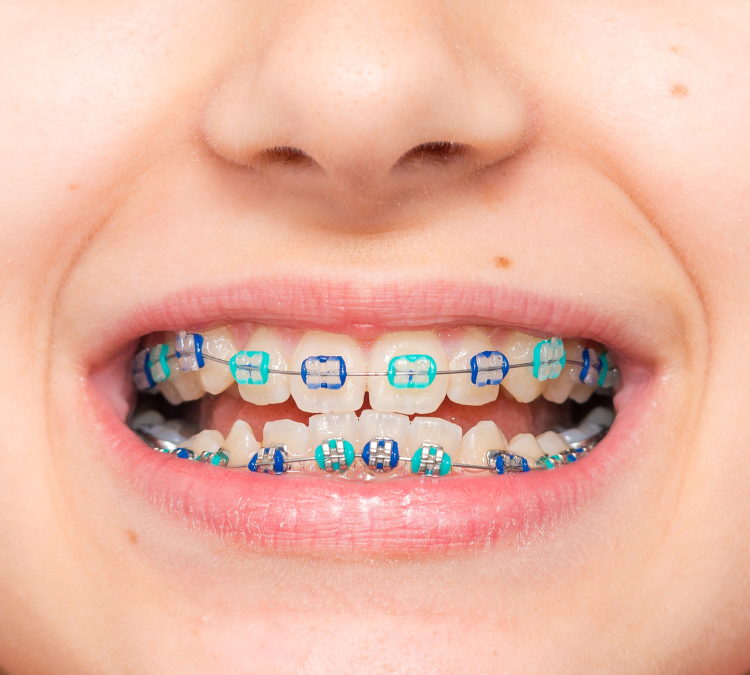
Traditional metal braces and clear ceramic braces use brackets and wires to gradually guide teeth into their correct positions.
At The Tooth Fairy Centre, we offer modern brace systems designed to provide effective treatment while prioritising comfort, hygiene, and aesthetics.
Invisalign
Teen

Invisalign® Teen uses clear, removable aligners to gradually move teeth into position.
The aligners can be removed for eating, brushing, sports, and special occasions, but need to be worn approximately 22 hours per day for effective results.
Frequently Asked Questions
When a primary tooth is prematurely lost, usually due to decay, adjacent teeth may drift into the space and leave insufficient space for alignment of emerging permanent teeth. Our specialist paediatric dentist and specialist orthodontists will advise you as to whether a space-maintaining device is suitable. Depending on the individual case, space maintainers can be either fixed or removable.
Dental overcrowding happens when there’s not enough space into which each new tooth can grow. If this is found in a young child, removable expander plates can be used from the age of six to eight years and often continued until all the teeth have erupted. To avoid the need for dental extractions later on and expand the dental arches or maintain premolar spaces, orthodontic treatment with fixed braces may follow to complete the dental alignment.
We recommend an orthodontic assessment around six to ten years of age, depending on your child’s individual development. Early assessment allows potential concerns to be identified and monitored at the appropriate stage.
No. An early orthodontic assessment does not always mean treatment will begin immediately. In many cases, the orthodontist will monitor growth and recommend treatment only when the timing is most appropriate.
Early intervention may help manage concerns including dental crowding, cross-bites, jaw growth concerns, tooth eruption problems, oral habits, and some breathing-related concerns.
Not necessarily. Many children can be treated without extractions, particularly when concerns are identified early. However, in some cases, removing teeth may be the most appropriate option to achieve a stable and healthy result.
Sleep-disordered breathing refers to a range of breathing difficulties that occur during sleep. Signs may include snoring, mouth breathing, restless sleep, or frequent waking.
In appropriate cases, orthodontic treatment may help address jaw development and dental arch concerns that contribute to breathing difficulties. Your orthodontist will assess your child’s individual needs and recommend whether further investigation or treatment may be appropriate.